Toilet Plunging in Denver, CO
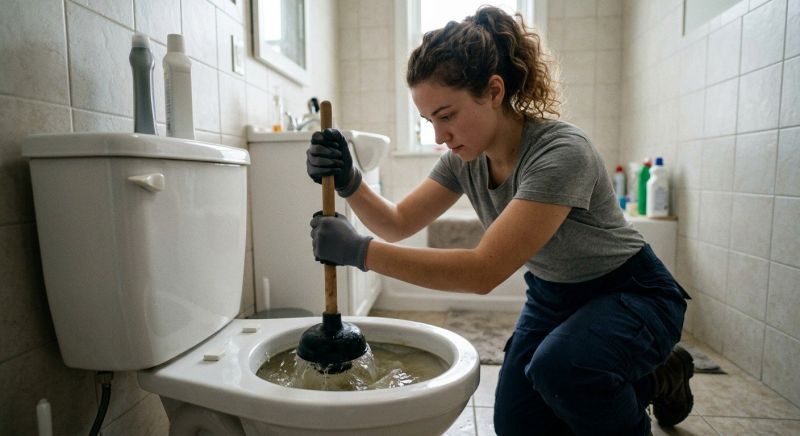
Toilet plunging services address clogs and blockages within the toilet bowl or drain line, helping restore proper flushing and drainage. This service is commonly requested when toilets become slow to drain, overflow, or refuse to flush altogether. Property owners may need assistance with various issues, such as waste buildup, foreign objects lodged in the pipe, or minor obstructions caused by everyday use. Understanding the cause of the clog can help determine whether plunging alone will resolve the problem or if additional plumbing work might be necessary.
Before requesting toilet plunging, homeowners should consider the nature of the blockage and any recurring issues. It is helpful to know if the clog is isolated to a single toilet or affects multiple fixtures in the property, as this can indicate a larger plumbing concern. Properly using a plunger involves ensuring a tight seal around the drain opening and applying consistent, firm pressure to dislodge the obstruction. If plunging does not clear the blockage, further investigation may be needed to identify underlying plumbing problems or to prevent future clogs.
Many property owners in Denver, CO look into Toilet Plunging for repairs, replacements, upgrades, and appearance-related improvements.
Common Toilet Blockages
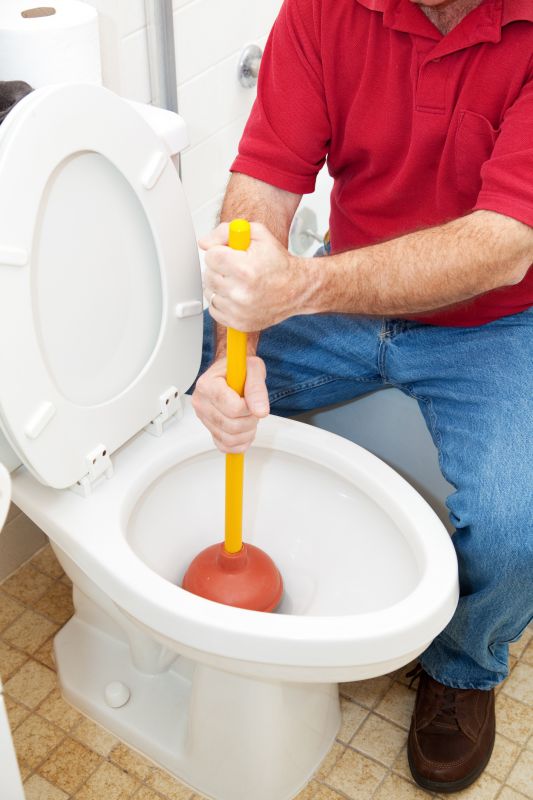
Plunging is often needed to clear clogs caused by paper, waste, or foreign objects.
Preventive Plumbing Tips
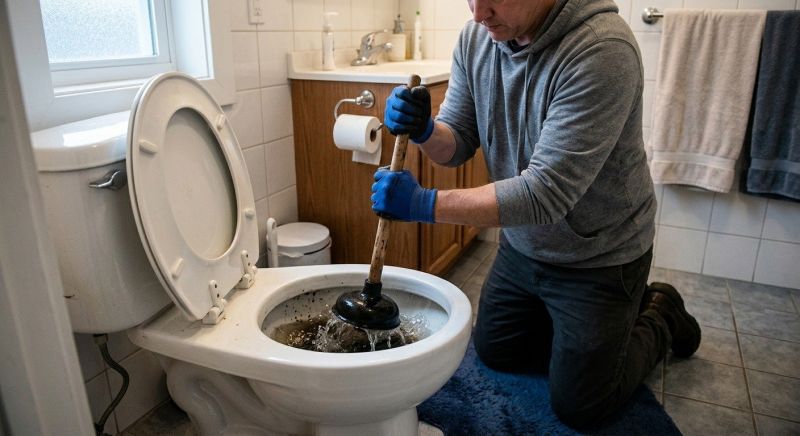
Proper use of the toilet can reduce the likelihood of frequent blockages and backups.
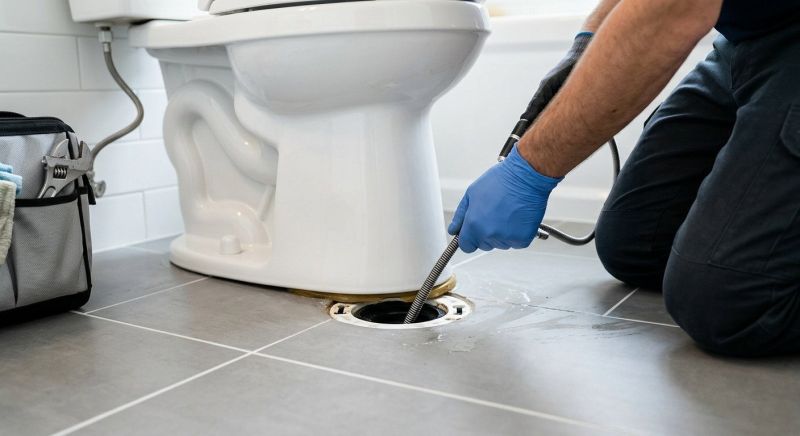
Emergency Plumbing Solutions
Quick response to toilet clogs helps prevent water damage and keeps bathrooms functional in denver homes.
Toilet Plunging in Denver, CO
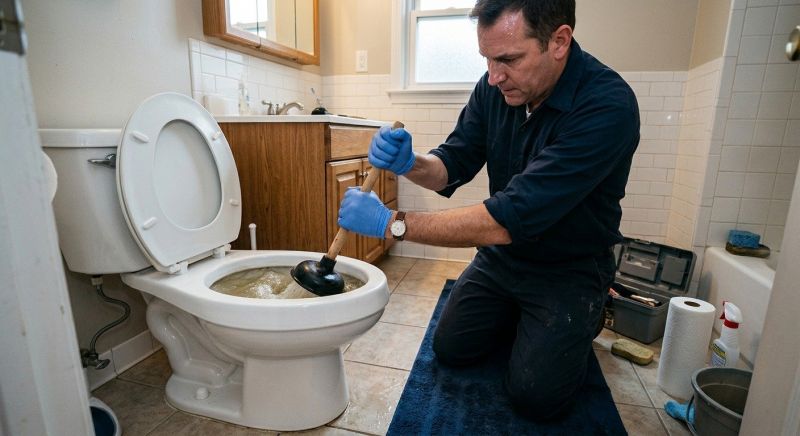
Toilet plunging services address clogs and blockages within the toilet bowl or drain line, helping restore proper flushing and drainage. This service is commonly requested when toilets become slow to drain, overflow, or refuse to flush altogether. Property owners may need assistance with various issues, such as waste buildup, foreign objects lodged in the pipe, or minor obstructions caused by everyday use. Understanding the cause of the clog can help determine whether plunging alone will resolve the problem or if additional plumbing work might be necessary.
Before requesting toilet plunging, homeowners should consider the nature of the blockage and any recurring issues. It is helpful to know if the clog is isolated to a single toilet or affects multiple fixtures in the property, as this can indicate a larger plumbing concern. Properly using a plunger involves ensuring a tight seal around the drain opening and applying consistent, firm pressure to dislodge the obstruction. If plunging does not clear the blockage, further investigation may be needed to identify underlying plumbing problems or to prevent future clogs.
Many property owners in Denver, CO look into Toilet Plunging for repairs, replacements, upgrades, and appearance-related improvements.
Common Toilet Plunging Jobs
Toilet plunging services address clogs and blockages in residential toilets.
Professional plunging helps restore proper flushing and prevent overflows.
Services include clearing stubborn or deep-seated obstructions in the drain line.
Effective plunging can reduce the need for more invasive repairs or replacements.
Property owners can rely on prompt assistance for urgent toilet backups.
Routine plunging services help maintain smooth and functional bathroom fixtures.
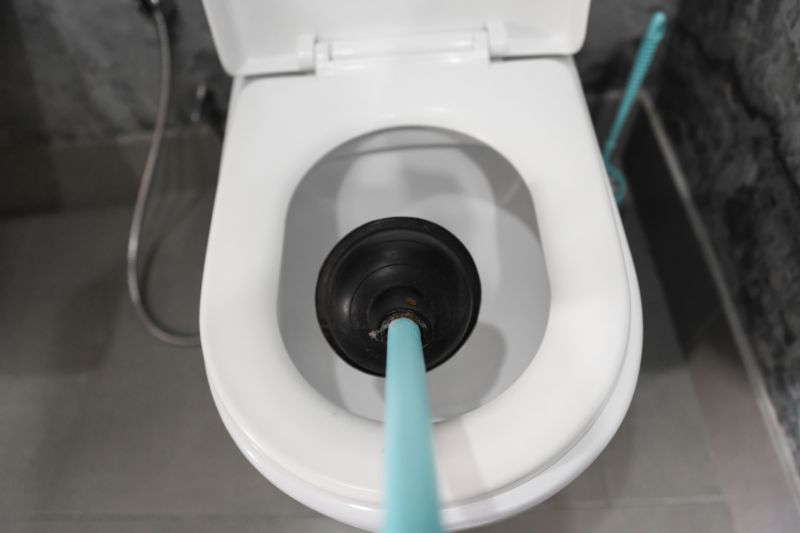
Toilet Plunging Questions
Why is my toilet backing up? A clog caused by debris, paper, or a buildup of waste can prevent proper drainage, leading to backups.
How can I tell if a plunger will work? If the blockage is near the bowl's opening, a plunger is usually effective at dislodging it.
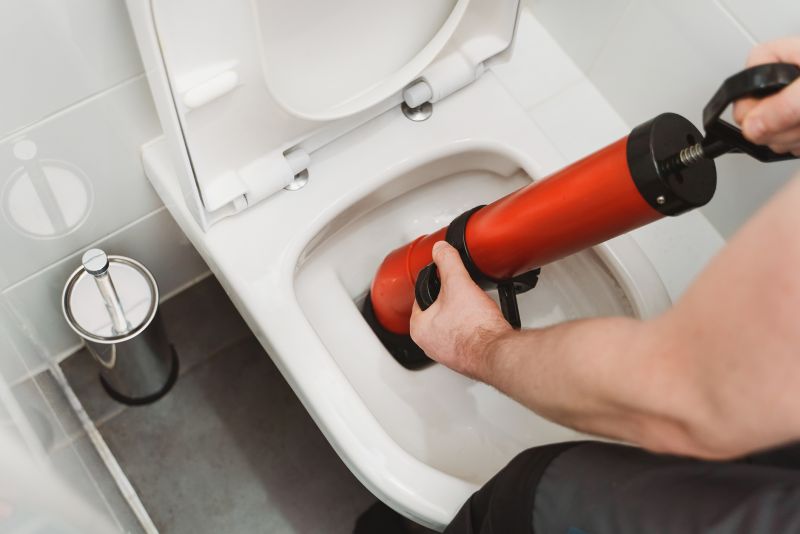
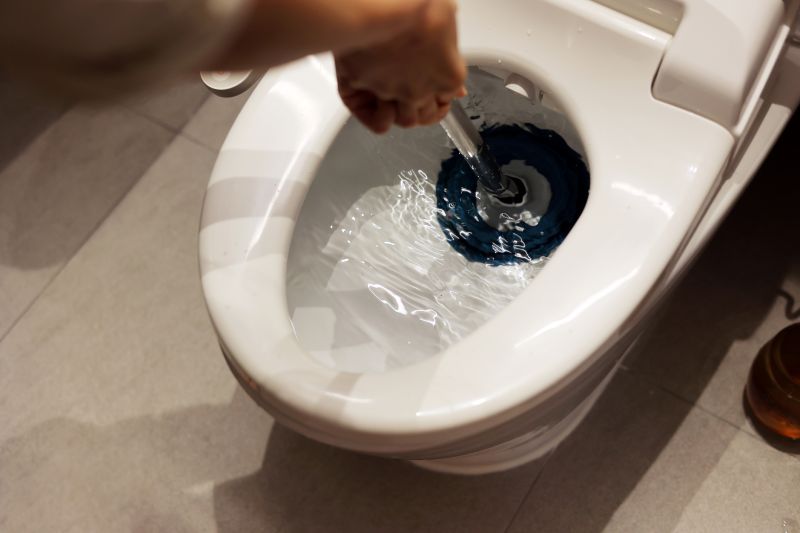
Are there different types of plungers? Yes, cup-style and flange-style plungers are common; flange plungers are often better for toilets.
What should I avoid when plunging a toilet? Avoid using excessive force or metal objects, as these can damage the toilet or worsen the clog.
Request Toilet Plunging in Denver, CO
Use the quote form on this page to share the basics of your project and request more information for the type of work you need.